State Requirements for Disclosing Altered Photos in Real Estate Listings
Here's a clear and updated overview (as of March 2026).
California
AB 723 (Business & Professions Code §10140.8), effective Jan 1, 2026
Any digitally altered image (photo editing software or AI) that adds, removes, or changes elements of the property (e.g., furniture, fixtures, flooring, walls, paint, landscape, views, sky swaps, virtual staging, etc.)
Conspicuous statement that the image has been altered + link/URL/QR code to original unaltered image
On or adjacent to the altered image; reasonably conspicuous. If on your own website, include or link to original directly.
Misdemeanor for willful violations; disciplinary action by CA Dept. of Real Estate; possible fines, license issues, or civil claims.
Wisconsin
New disclosure law referenced in 2026 industry reports (specific bill details vary; often tied to broader transparency rules)
Digitally altered or AI-enhanced property images in listings/ads
Disclosure that the image is altered (exact wording not uniformly standardized yet)
Clear labeling on/near the image; some sources mention providing originals
Disciplinary action possible; industry is treating it similarly to CA.
All Other States
No specific statewide statute requiring disclosure of altered photos in real estate listings
None (general rules against misleading advertising still apply)
No mandated disclosure language
Risk only if the alteration is deceptive/misrepresents the property (could violate general real estate licensing laws, NAR Code of Ethics, or false advertising rules).
Key Takeaways:
- California is the only state with a comprehensive, specific, and enforceable law dedicated to this issue as of early 2026.
- Wisconsin is the second state frequently mentioned as having passed or implemented similar transparency requirements for altered images, but details are less uniform and enforcement appears lighter so far.
- In the remaining 48 states, there is no dedicated disclosure law for digitally altered or AI-edited real estate photos. However, you must still avoid misrepresentation (e.g., hiding defects or adding non-existent features that mislead buyers).
What does NOT require disclosure in California (and generally elsewhere):
- Routine, non-substantive edits: lighting adjustments, sharpening, white balance, color correction, exposure, cropping, straightening, lens correction, noise reduction, etc., as long as they do not materially change the representation of the actual property.
To be fully safe nationwide (especially if you operate in or market to California or Wisconsin), follow this universal best-practice standard:
- Determine if disclosure is needed:
- If the edit adds, removes, or changes any structural/visual element (virtual staging, furniture, appliances, walls, flooring, landscaping, views, sky replacement, removing utility poles, fixing cracks, etc.) → Disclose.
- Pure technical corrections (brightness, contrast, sharpening, cropping, etc.) → No disclosure needed.
- Clear and conspicuous disclosure on the altered image:
- Recommended wording (works everywhere):
- “This image has been digitally altered.”
- Or more descriptive: “Digitally altered / AI-enhanced image. View the original unaltered photo here.”
- Recommended wording (works everywhere):
- Provide easy access to the original unaltered photo:
- Include a clickable link, URL, or QR code directly on or next to the altered image.
- On your own website or listing portal: Post the original image immediately after the altered one, or in the same gallery clearly labeled (e.g., “Original Photo” vs. “Enhanced Version”).
- Keep originals available upon request (best practice even where not strictly required).
- Implementation Tips:
- Use watermarks or captions on the image itself for visibility.
- In MLS systems: Follow your local MLS rules (many now have fields or guidelines for labeling altered/virtual images).
- File naming example: 123_Main_St_LivingRoom_Altered.jpg and 123_Main_St_LivingRoom_Original.jpg.
- For virtual staging: Explicitly note “Virtually Staged” in addition to the alteration disclosure.
- Extra Safety (Recommended Everywhere):
- Always retain originals.
- Avoid edits that could be seen as hiding defects (e.g., removing water stains, cracks, or major eyesores) — these raise misrepresentation risks regardless of disclosure.
- Document your editing process in case of disputes.
This approach satisfies California’s strict requirements (the most demanding in the country), aligns with Wisconsin’s emerging rules, and exceeds general anti-misrepresentation standards in all other states. It protects you from disciplinary actions, license issues, MLS suspensions, or buyer lawsuits.
Laws and MLS policies can evolve quickly. For California listings, double-check with your local MLS or legal counsel for any updated standard language or enforcement examples. If you list primarily outside CA/WI, the risk is low, but transparency remains a best practice for building buyer trust.
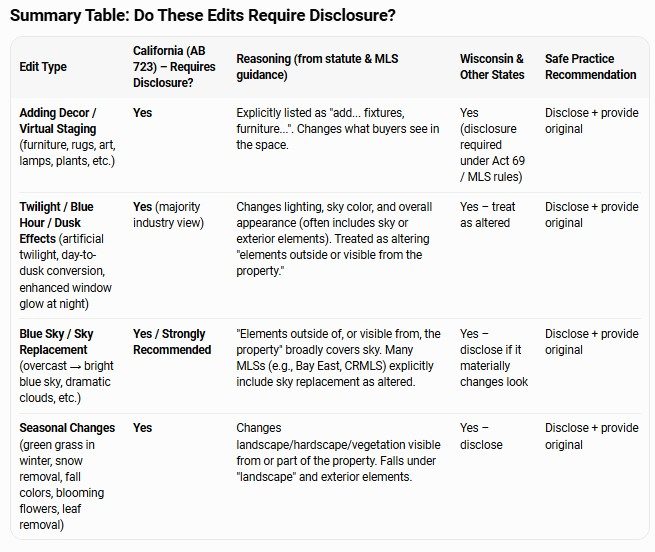
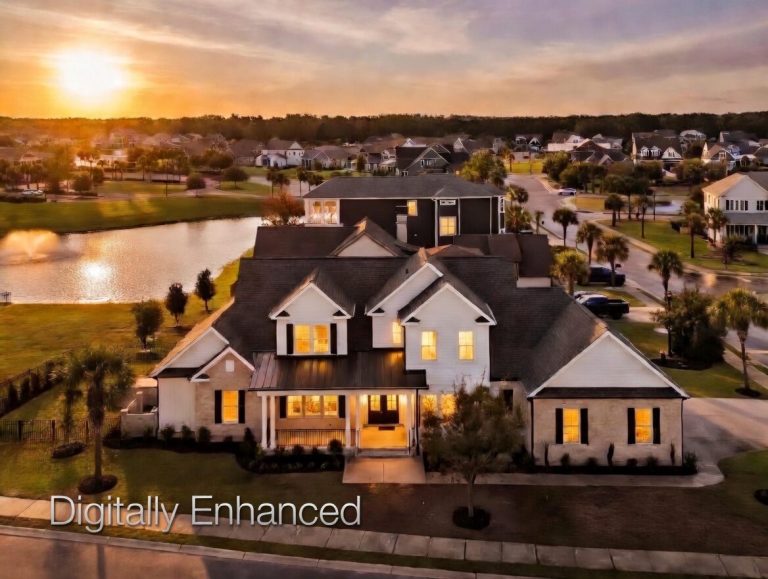
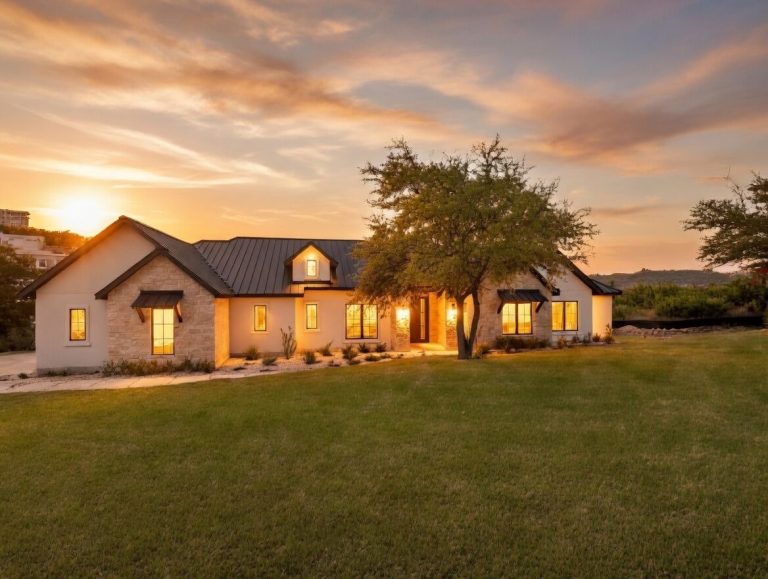
Twilight or golden-hour exteriors
Twilight photos (also called dusk, day-to-dusk, virtual twilight, or golden-hour exteriors) transform daytime shots into dramatic evening scenes. Editors add warm interior glow from windows, rich sunset/purple skies, illuminated pathways, and cozy ambiance—making the home look inviting, luxurious, and premium.
This is one of the most powerful exterior edits in real estate marketing, often used as the "hero" main photo. It's especially effective for homes with great architectural lighting, pools, outdoor spaces, or luxury appeal, but it works broadly.
Like blue-sky replacement, twilight editing positively boosts views, click-through rates (CTR), and conversions, with even stronger reported uplifts in many studies. Data focuses on "twilight as main photo" or bundled pro edits, and virtual/day-to-dusk versions (cheaper/faster than real twilight shoots) deliver similar results. Here's the breakdown based on recent real estate marketing stats (2024–2026):
1. Impact on Views (Listing Impressions/Views)
Twilight photos stand out in crowded feeds—most listings use bright daytime shots, so a warm, glowing dusk image creates instant contrast and stops the scroll.
Using a twilight image as the main/hero photo averages 76% more views than listings without it (consistent across multiple sources, including studies from PhotoUp, AJ Caruso, and others).
Listings with twilight photos receive 66–76% more views overall compared to standard daytime exteriors.
Some reports show nearly 66% more views for any inclusion of twilight, with virtual twilights performing 16% better than natural ones in certain analyses.
In one Zillow-specific case, adding twilight boosted views from ~2,000 to over 4,350 in a short period.
Why it works: The warm lights and moody sky evoke emotion ("cozy evenings at home"), making the property feel aspirational and premium—even for mid-range homes.
2. Impact on Click-Through Rates (CTR)
This is twilight's biggest strength—it's a thumbnail powerhouse.
Twilight photography increases CTR by 73% compared to standard daytime exteriors across MLS, Zillow, Realtor.com, and social media.
Virtual dusk/twilight can boost CTR by 118–120% in some platform-specific tests (e.g., Zillow uploads).
One ad study showed subtle "dramatic clouds" twilight photos generating ~8% more clicks annually vs. puffy-cloud daytime (translating to hundreds of extra site visits from paid ads).
Some services report up to 300% CTR increases with virtual dusk as a key hero image.
Result: Buyers pause on twilight thumbnails far more often—the glow and drama trigger curiosity and urgency, driving higher click-through from search grids and social shares.
3. Impact on Conversions (Inquiries, Showings, Sales)
The engagement snowballs into real results:
Twilight listings often see 3x more showings (triple the requests).
Homes sell faster (aligned with pro photo stats of 32% faster overall, but twilight contributes significantly to that edge).
Higher perceived value leads to premium pricing—e.g., 38% premium in luxury segments, with agents reporting more inquiries, longer dwell times, social shares, and competitive offers.
Faster sales reduce days on market, and the emotional pull can help "hard-to-sell" properties move quicker.
Compared to blue-sky replacement:
Blue sky excels at bright, sunny appeal and broad thumbnail pop (often 60–118% view/CTR lifts when bundled).
Twilight adds warmth/emotion and luxury vibe, with slightly higher reported CTR uplifts (70–120% range) and standout factor in competitive markets.
Many agents use both: blue sky for daytime exteriors, twilight as the hero shot for maximum impact.
Virtual twilight is now preferred (95% in some workflows) over real shoots—cheaper ($4–$200 add-on), consistent, and weather-independent.
Caveats:
Must look natural—overly dramatic/fake versions can hurt trust (disclosure rules apply in some areas).
Best as 1–2 hero shots, not the whole gallery (overuse dilutes impact).
Highest ROI on properties with lit features (windows, landscape, pools); less dramatic on plain exteriors.
Bottom line: Twilight photos are a top-tier upgrade—often called a "game-changer" for standing out. Expect strong boosts: 66–76% more views, 73–120% CTR jumps, triple showings, and faster/higher-value sales. In today's market, it's one of the highest-ROI edits (alongside HDR and virtual staging). Adding a virtual twilight hero shot could be the easiest way to make your property pop against daytime competitors.
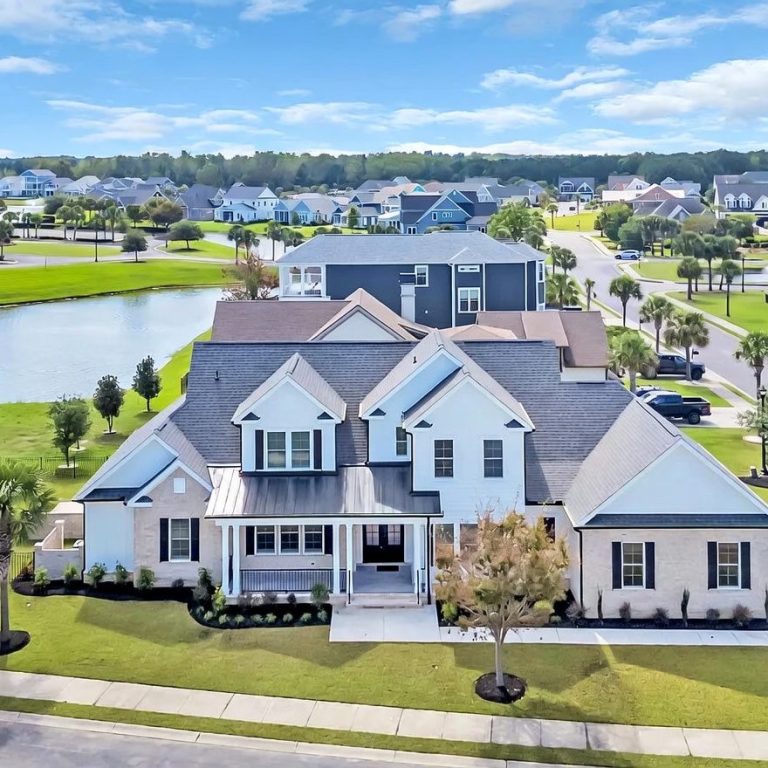

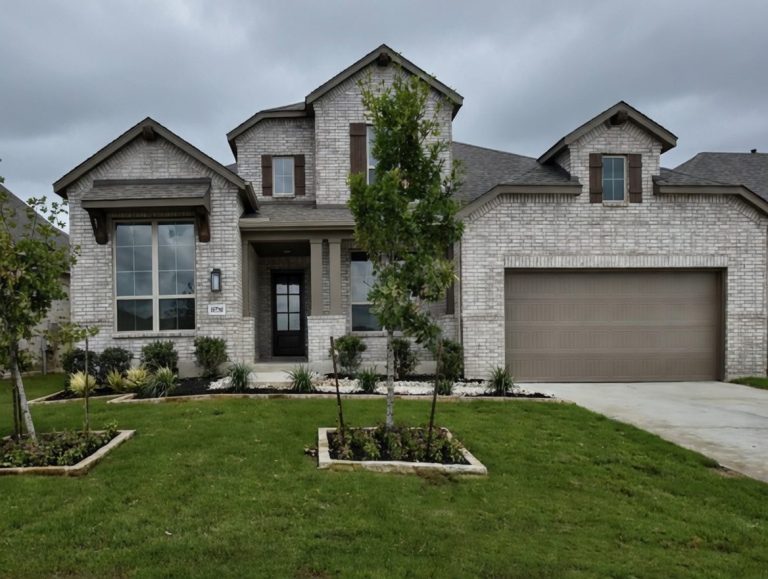
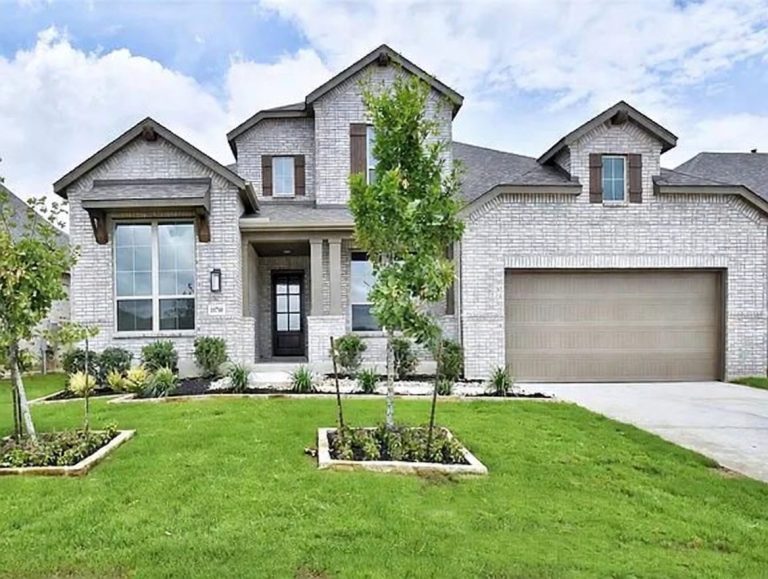
Blue-Sky Replacement,
1. Impact on Views (Listing Impressions/Views)
High-quality edited photos (including blue-sky replacement) drive significantly more listing views on Zillow, Realtor.com, MLS, and social media.
Listings with professional/high-quality images receive up to 118% more online views than those with lower-quality or unedited amateur shots.
Related techniques like twilight editing (a dramatic sky enhancement) average 66–76% more views, with the main photo alone boosting views by 76%.
Why it works: Gray skies make properties look flat, depressing, or poorly maintained. A bright blue sky adds contrast, color pop, and emotional appeal ("perfect day" vibe), so the listing ranks higher in search grids and gets more impressions overall. Some editing services claim sunny blue-sky exteriors alone deliver up to ~38–40% more views vs. overcast originals.
2. Impact on Click-Through Rates (CTR)
This is where blue-sky replacement shines most — it's a thumbnail game-changer.
Buyers are claimed to be 85% more likely to click a listing with a blue-sky photo (per multiple real estate photo-editing sites).
Blue skies create stronger thumbnail contrast, better color balance, and instant curb appeal. Buyers scroll feeds quickly and skip dull/gray photos, but a vibrant blue sky stops the scroll and triggers a faster emotional response ("This looks inviting!").
Result: Higher CTR from search results and social shares. One service noted sky replacement as the "single highest-ROI edit" precisely because of this thumbnail pop.
3. Impact on Conversions (Inquiries, Showings, Sales)
The benefits cascade into real business outcomes:
Professional photos (including sky edits) help homes sell 32% faster (e.g., 89 days on market vs. 123 days for average photos).
They also close at higher prices (up to $934–$116K more in some studies) and increase perceived value by 39%.
More views + higher CTR = more dwell time on the listing (buyers spend ~60% of their time on photos), more inquiries, more showing requests, and ultimately more offers.
Analogous edits like virtual staging or twilight photos show 20–25% CTR lifts and sell up to 12–50% faster. Sky replacement fits the same pattern by making the property feel premium and move-in ready.
Quick Caveats
It must look natural — Overly fake blue skies can hurt trust or trigger disclosure rules (e.g., some 2026 regulations in certain states require noting significant edits).
The biggest gains come when it's part of full pro editing (HDR, color correction, etc.).
Not a magic bullet on its own, but it's consistently cited as one of the best ways to boost engagement without reshooting.
Bottom line: Blue-sky replacement turns "meh" listings into scroll-stopping ones. Expect big lifts in views and CTR (often 60–118% range when bundled with pro work), which directly feeds more showings, faster sales, and better conversion rates. Most agents and photographers call it essential for competitive markets. If you're listing now, it's one of the quickest wins for standing out online.


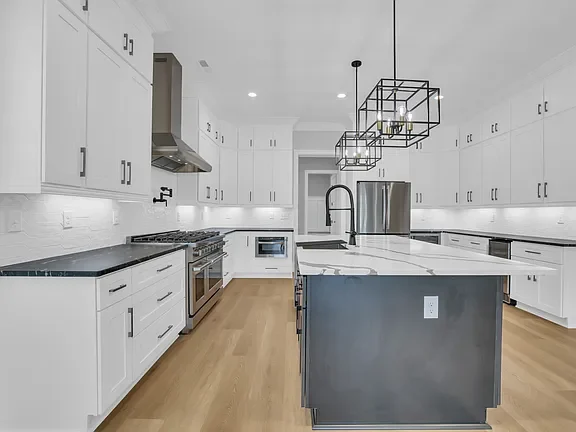
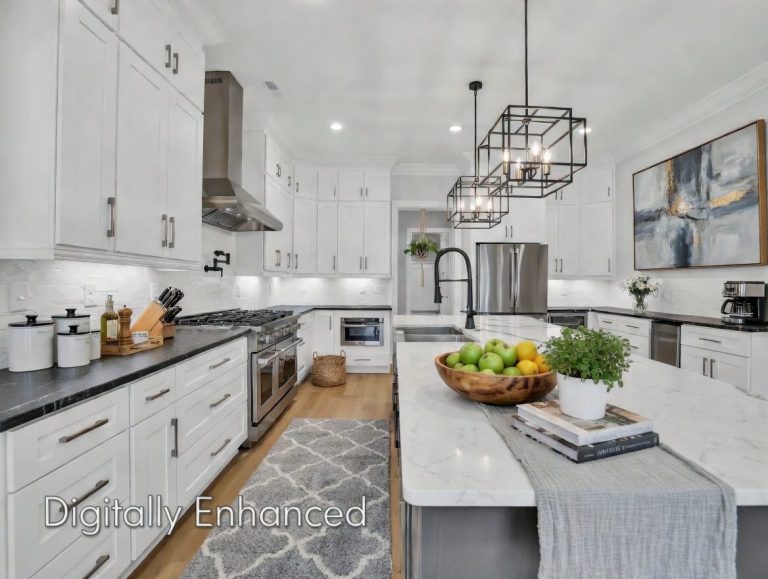
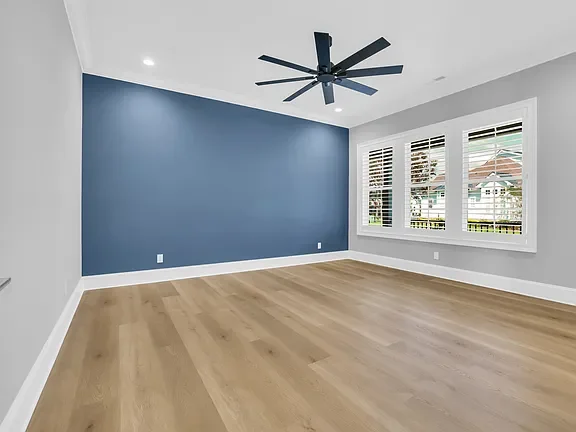
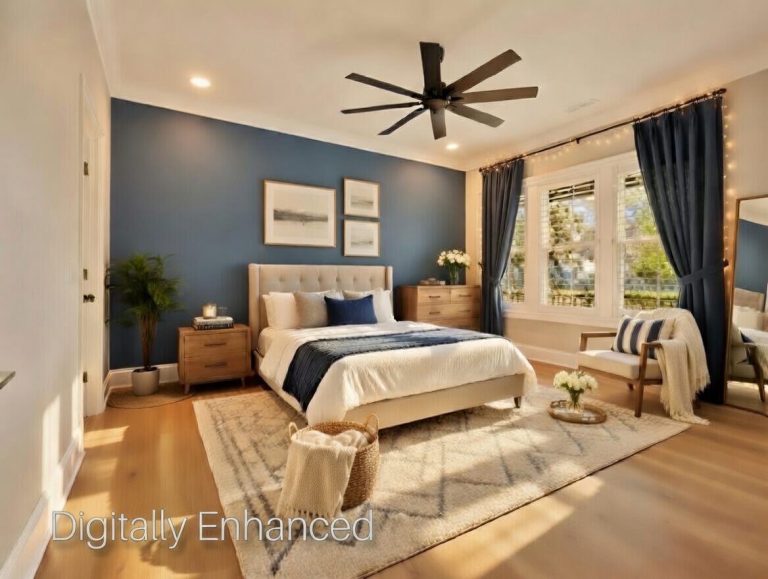
Virtual Staging
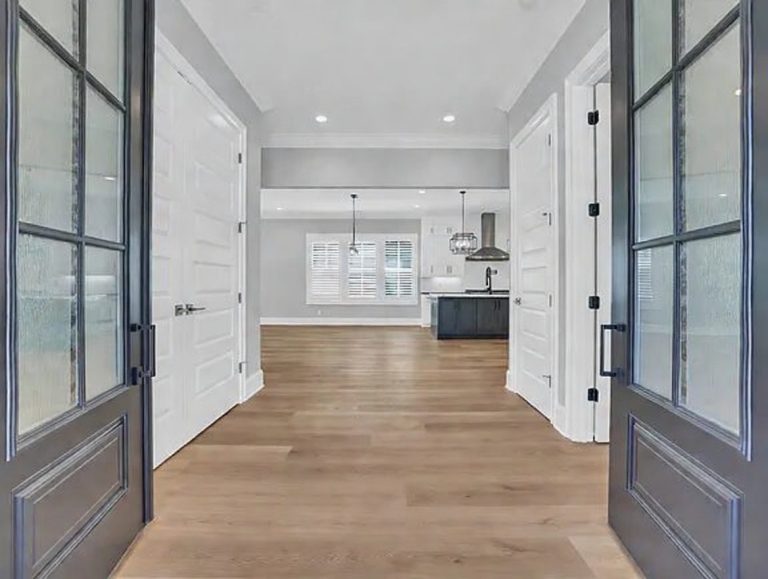
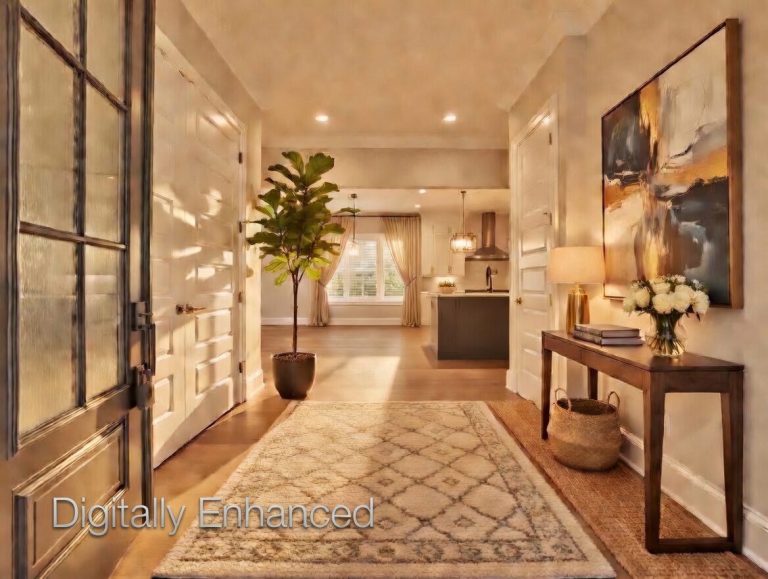
Virtual staging (also called digital staging or AI/virtual furniture placement) digitally adds furniture, decor, rugs, art, and sometimes wall/floor changes to empty or sparsely furnished room photos. It transforms blank spaces into inviting, lived-in scenes—helping buyers visualize the home's potential without physical movers, furniture rental, or weeks of prep.
In 2026, AI-powered tools (e.g., from Zillow Showcase, Collov, StagerAI) make it photorealistic, fast (minutes to hours), and cheap ($5–$99 per photo, often $20–$50 average).
It significantly boosts views, click-through rates (CTR), and conversions, especially for vacant listings or flips. Data from 2025–2026 (NAR, PhotoUp, Zillow, Collov, etc.) shows strong uplifts—often comparable to or exceeding blue-sky/twilight edits for interior shots.
Virtual staging shines on platforms like Zillow, Realtor.com, and MLS where buyers judge listings by photos first.
1. Impact on Views (Listing Impressions/Views)
Virtual staging makes empty rooms look premium and "move-in ready," increasing visibility in search results and grids.
Homes with high-quality/virtually staged images get up to 118% more views overall (bundled with pro photos).
Virtually staged listings see 30–72% more online traffic and 87% more views when paired with virtual tours (similar tech).
Zillow data highlights staged images encourage more exploration and interaction, boosting impressions—especially in competitive markets like Huntsville where buyers scroll fast.
Why it works: Empty rooms feel cold/uninviting; staged ones evoke lifestyle and emotion, stopping scrolls and improving search rankings via higher engagement.
2. Impact on Click-Through Rates (CTR)
This is virtual staging's strongest area—it's a thumbnail and gallery game-changer for interiors.
Thumbnail CTR jumps to 3.5–4.5% for staged rooms vs. 1.8–2.2% for empty ones—a nearly 90% increase.
Staged listings experience 90% higher CTR and 70% more time spent on pages (from ~27s to 45–60s).
Virtual staging boosts buyer interest by 30%, with more qualified inquiries (up to 44% in some AI tool data).
On Zillow/Realtor.com, staged photos drive higher clicks and dwell time, feeding algorithms for better placement.
Result: Buyers click more because rooms look aspirational and functional—triggering "I could live here" faster than bare walls.
3. Impact on Conversions (Inquiries, Showings, Sales)
The engagement leads to real outcomes—faster sales, higher prices, more showings.
Staged homes (including virtual) sell 73% faster (e.g., 29–31 days vs. 52+ days on market; some reports up to 88% faster or 3x overall).
Virtual staging reduces days on market dramatically—often 36–73% faster than unstaged, with first offers arriving quicker.
Sale prices rise: 1–10% higher (NAR: 29% of agents report 1–10% increase; some 2–3%, 5–10%, or up to 22% in premium cases). On a $400K home, that's $4K–$40K+ extra.
More inquiries/showings: 70% rise in viewing requests, 3x more showings in some data, and buyers are more willing to tour (31–40% more likely).
ROI is massive: 500–3,650% (e.g., $25–$350 investment yields thousands in added value/faster close savings).
Compared to blue-sky and twilight:
Blue-sky/twilight excel on exteriors (thumbnail pop, 60–120% CTR/views).
Virtual staging dominates interiors—empty rooms are a bigger turn-off than gray skies. Many agents combine all three: blue-sky exteriors, twilight hero shot, virtual staging for key rooms.
Virtual is cheaper/faster than physical staging (97% less cost, no logistics) and often preferred for vacant properties.
Caveat: Must look realistic—overly fake or mismatched can backfire (some reports note buyer "duped" feelings if disclosed poorly; traditional staging may edge out in luxury segments).
Bottom line: Virtual staging is a high-ROI essential in 2026, especially for empty/vacant homes or quick flips in markets like Huntsville. It turns "meh" interiors into emotional sellers—driving 70–90% CTR boosts, 73% faster sales, and meaningful price uplifts. Pair it with pro HDR photos, blue-sky exteriors, and twilight for max impact. If your listing has bare rooms, adding 5–10 virtually staged shots could be the quickest way to more clicks, showings, and offers.
Lorem ipsum dolor sit amet, consectetur adipiscing elit. Nulla euismod condimentum felis vitae efficitur. Sed vel dictum quam, at blandit leo.
Lorem ipsum dolor sit amet, consectetur adipiscing elit. Nulla euismod condimentum felis vitae efficitur. Sed vel dictum quam, at blandit leo.